
Last updated: October 2026 · Part of our AI Agents Explained guide
What is an ai agent? In simple terms, it is a system that can work toward a goal, make small decisions, use tools, and keep moving until the task is done. That is the short answer. The longer answer is more useful, because it helps you understand why AI agents are getting so much attention right now.
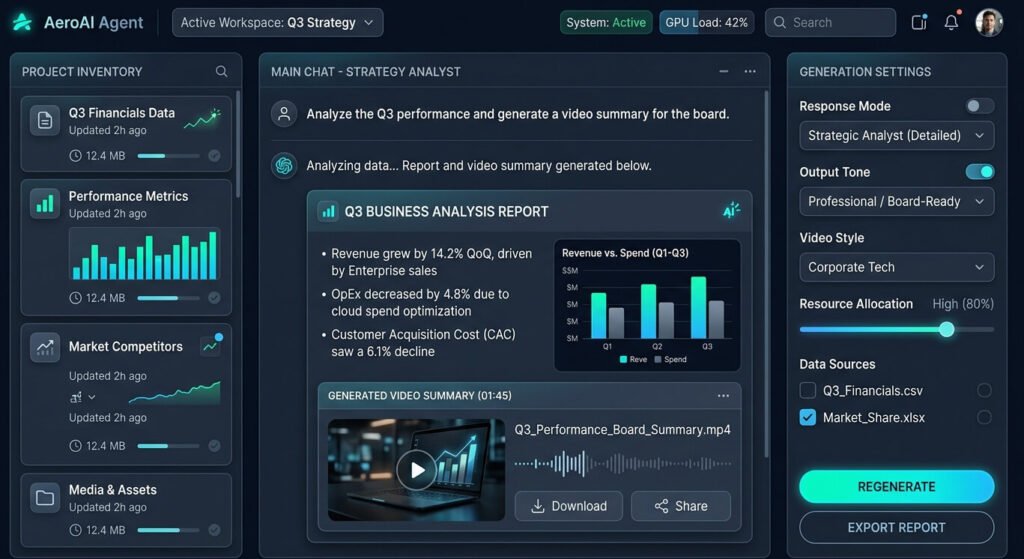
Image: Dashboard of AI agent analyzing strategy, market competition, and Quarterly reports.
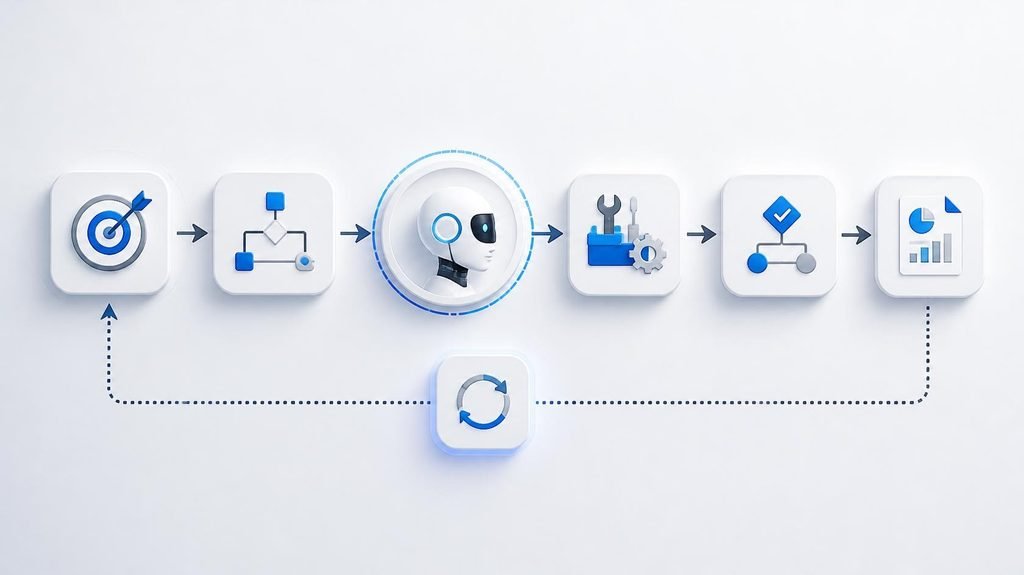
Image: what is an ai agent doing step by step.

Image: human review still matters when using AI agents.
What Is an AI Agent?
What is an ai agent, really? It is software that is built to act on a goal instead of only replying to a prompt. A chatbot can answer a question. A basic automation can run a fixed workflow. An AI agent sits somewhere in between, but it can be much more flexible because it can choose steps, call tools, and adjust as it goes.
That is why people use AI agents for tasks like research, email drafts, scheduling, support triage, and workflow assistance. The agent does not just talk about the work. It helps move the work forward.
How It Differs From a Chatbot
A chatbot mainly responds. It waits for your message, then gives you an answer. An AI agent can do more than respond. It can decide to search, summarize, organize, draft, or hand off a step for review.
That difference matters. If you only need conversation, a chatbot is enough. If you need something to keep working toward a result, an AI agent is a better fit.
How It Works in Real Life
Here is a simple example of how what is an ai agent becomes practical:
- You ask it to summarize a meeting.
- It reads the notes.
- It extracts action items.
- It drafts a follow-up email.
- You review the draft before sending it.
That flow is why AI agents are useful. They reduce the number of small steps you have to manage yourself.
Goal → Plan → Tool Use → Review → ResultWhen to Use an AI Agent
What is an ai agent good for? It works best when the task is repetitive, structured, and still needs a little judgment. A few strong use cases include:
- Research summaries
- Meeting notes
- Email drafts
- Lead follow-up
- Content repurposing
- Support triage
If the process has clear steps but still needs human approval at the end, an AI agent can save a lot of time.
When to Be Careful
What is an ai agent not good for? Anything sensitive, high risk, or unclear should be handled carefully. AI agents can make mistakes, misunderstand context, or take the wrong action if they are given too much access.
That is why guardrails matter. Keep permissions limited. Log the important actions. Make human review part of the process when money, privacy, or customer trust is involved.
Quick takeaway
The easiest way to remember what is an ai agent is this: it is a system that does more than answer. It helps complete tasks. That makes it different from a chatbot and more flexible than basic automation.
References
Partner with us
We welcome useful AI tools, automation platforms, and workflow products that genuinely help readers save time. If your product fits this audience, we are open to sponsored tutorials, reviews, and feature placements.