The Vibe Coding Framework is completely revolutionizing how developers architect, write, and deploy enterprise software applications in 2026. I believe the move away from memorizing syntax and toward high-level system design is empowering technical founders to build sophisticated platforms simply by describing what they want. Instead of writing boilerplate code line-by-line, developers dictate architectural goals to autonomous agents, drastically accelerating the product development lifecycle. This technical guide outlines the exact mechanisms required to adopt this paradigm shift and maximize output quality.
| Development Method | Coding Speed | Syntax Knowledge Required | Error Rate |
|---|---|---|---|
| Manual Coding | Extremely Slow | Absolute Mastery | High (Human Error) |
| Vibe Coding | Ultra-Fast | Architectural Focus | Low (AI Generated) |
| No-Code Builders | Fast | Zero Knowledge | Platform Locked |
1. Understanding the Vibe Coding Framework
The core philosophy of this methodology is delegation. Developers act as technical project managers, assigning complex logic generation to frontier language models while focusing their own efforts on system design and user experience. This approach requires a fundamental rewiring of how software engineers approach problem-solving.
By relying on agentic IDEs like Cursor and Google Antigravity, developers interact seamlessly with the underlying codebase. The environment understands the context of the entire project repository, allowing the AI to generate hyper-specific components that fit perfectly into the existing architecture.
This eliminates the constant context-switching associated with traditional development. Programmers no longer waste hours debugging missing semicolons; instead, they command the AI to identify syntax errors, implement test coverage, and execute the final commit autonomously.
2. Structuring Effective Natural Language Prompts
Mastering this workflow requires highly disciplined prompt engineering. Vague instructions yield unusable software, while structured, highly specific commands produce production-ready logic. Developers must break down complex features into extremely granular, sequential instructions.
Every command sent to the AI should explicitly define the required programming language, the desired output format, and the strict logical constraints the code must adhere to. This level of precision prevents the model from hallucinating unnecessary dependencies or utilizing deprecated libraries.
Furthermore, providing explicit examples of the desired architecture within the prompt guarantees consistency. When the AI understands the exact design patterns your team prefers, it seamlessly generates code that matches your internal organizational standards perfectly.
3. Leveraging Agentic IDE Capabilities
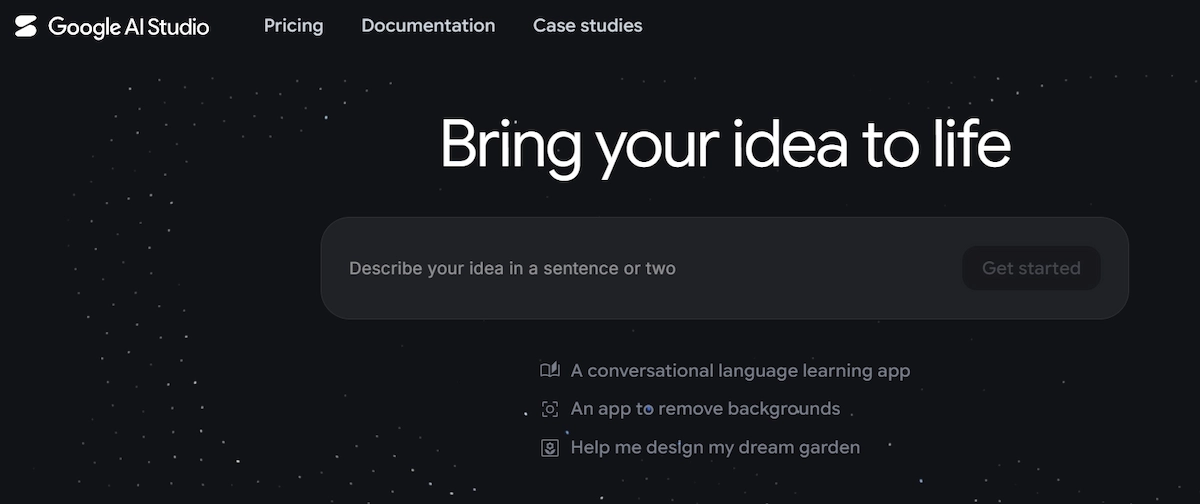
The Vibe Coding Framework relies heavily on specialized development environments that actively read and write to your local file system. Modern platforms utilize the Model Context Protocol (MCP) to inject relevant repository context directly into the prompt without manual copying and pasting.
When executing a build command, the agent autonomously navigates the directory, identifies the correct configuration files, and applies the necessary changes directly. This eliminates the friction between the generation phase and the implementation phase.
// Example terminal command to trigger an agentic code review
cursor-cli agent --task "Refactor the authentication module in /src/auth to use JWT tokens and strictly type all TypeScript interfaces."This simple command triggers a massive, autonomous workflow. The agent analyzes the directory, writes the updated security logic, formats the syntax, and presents a clean diff for the developer to review and approve instantly.
4. Establishing Continuous AI Testing
Generating code at warp speed introduces the risk of compounding technical debt if rigorous testing protocols are ignored. Developers must instruct the AI to write comprehensive unit tests simultaneously alongside the core feature logic.
Download the complete automated testing prompt library and repository configuration guide in our in our free Insider Hub.
By enforcing a strict test-driven development (TDD) cycle within the AI’s instructions, you guarantee that every generated function operates exactly as intended. The agent runs the test suite automatically, analyzes any failures, and self-corrects the code until it passes completely.
This relentless, automated testing pipeline ensures that rapid prototyping does not compromise enterprise stability. It allows startups to achieve massive scale while maintaining the code quality of a massive engineering department.
5. Refactoring and Code Maintenance
Legacy code maintenance is notoriously tedious and expensive. Applying the Vibe Coding Framework to outdated repositories drastically reduces the time required to modernize aging applications. The AI can ingest thousands of lines of deprecated code and translate it into modern frameworks instantly.
Engineers simply highlight the obsolete sections and command the assistant to refactor the logic using modern best practices. The agent updates the syntax, removes redundant loops, and optimizes the algorithmic efficiency without altering the core functionality.
This capability allows companies to eliminate massive technical debt quickly. Instead of abandoning old projects, developers can resurrect and modernize legacy platforms with a few highly optimized natural language commands.
6. The Future of Software Engineering
As these tools continue to evolve, the barrier to entry for software creation will disappear entirely. The defining skill of a senior developer will no longer be syntax memorization, but rather complex systems thinking and product design optimization.
Engineers who refuse to adapt to this methodology will find themselves heavily outpaced by smaller, AI-augmented teams. Embracing this workflow is no longer optional; it is an absolute necessity for anyone looking to build scalable software in the modern era.
By mastering these techniques today, you position yourself at the forefront of the technological revolution. The ability to command artificial intelligence to build software autonomously is the most valuable technical skill in the global economy.
Explore More on The NexGen AI
- Latest Updates: Browse our latest coverage on artificial intelligence breakthroughs
- Automation Guides: Claude Computer Use: 5 Powerful and Shocking Automation Features
External Open Source Resources
- Agentic Tools: Cursor IDE Official Site
- Developer Guides: Explore Trending Open Source Vibe Coding Framework Repositories
- AI Coding Models: Hugging Face Models for Code Generation