
Day 8 topic is related to the importance of using AI agents for small business.
AI agent adoption is no longer just for large companies with deep budgets and big teams. Today, ai agents for small business can help owners save time, reduce repetitive work, and respond to customers faster without hiring extra staff.
That matters because small business owners usually wear too many hats. One person may handle support, marketing, invoicing, scheduling, and follow-up at the same time. In this guide, you will learn the most practical ai agents for small business use cases and how they can make everyday work easier.
The Quick Answer
The best ai agents for small business are the ones that handle repetitive tasks with clear rules. The strongest use cases are customer support, lead follow-up, scheduling, invoice reminders, content repurposing, internal task routing, sales assistance, and reporting.
Start small. Pick one workflow that happens every day, automate it, and measure the time saved.
Why Small Businesses Benefit First
Small businesses often feel the pain of repetitive work more than large companies do. A single missed lead, late reply, or forgotten invoice can have a direct impact on revenue.
That is where ai agents for small business stand out. They do not need to replace your team. They can support your team by handling the boring, repetitive, and time-sensitive parts of the job.
For a deeper foundation, read How AI Agents Work to see how planning, action, and feedback come together inside an agent.
8 Smart AI Agent Use Cases
1. Customer support triage
An agent can read incoming messages, classify the request, and route it to the right person or draft a reply for common questions.
2. Lead follow-up
When someone fills out a form, an agent can send a personalized follow-up, update your CRM, and remind you if the prospect does not respond.
3. Appointment scheduling
Instead of manually checking calendars, an agent can suggest open times, confirm bookings, and send reminders before the meeting.
4. Invoice reminders
Cash flow matters. An agent can monitor unpaid invoices, send polite reminder emails, and flag overdue accounts for review.
5. Content repurposing
A single blog post can become social captions, email snippets, short summaries, or FAQ responses with the help of an agent.
6. Internal task routing
When a team receives too many messages, an agent can assign tasks based on topic, urgency, or department.
7. Sales assistance
An agent can prepare call notes, summarize customer history, and draft follow-up messages so sales teams move faster.
8. Simple reporting
Agents can collect numbers from tools like spreadsheets or dashboards and turn them into readable weekly summaries.
How to Choose the Right Agent
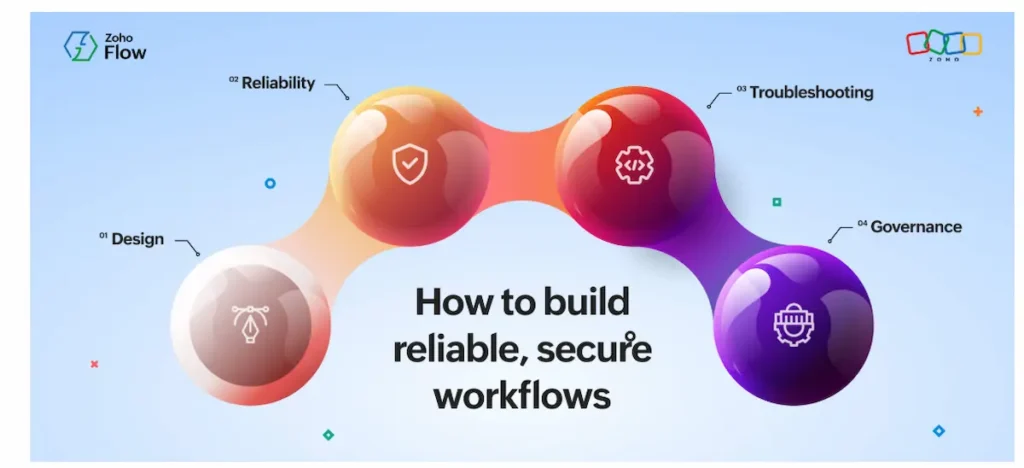
Not every workflow should be automated on day one. The best ai agents for small business share four traits:
- Clear inputs : the task should begin with a known trigger.
- Simple rules : the agent should know what “success” looks like.
- Low risk : start with tasks that do not involve sensitive approvals.
- Easy review : you should be able to check the result quickly.
If a task is high-stakes, use human approval before the agent acts.
A Simple Starter Workflow
A practical first setup could look like this:
- A customer fills out a contact form.
- The agent reads the form details.
- It categorizes the request.
- It drafts a response or assigns the lead.
- A team member reviews the draft before sending.
This kind of workflow is simple, measurable, and easy to improve. That makes it ideal for a first automation project.
Frequently Asked Questions
Do small businesses need technical skills to use agents?
Not always. Many no-code tools make it possible to build useful workflows without writing code.
Should I automate customer support first?
Only if the questions are repetitive and low risk. Start with common issues, not complex complaints.
Can one agent do everything?
No. It is usually better to build one focused agent per task than one giant system that tries to handle everything.
Final Thoughts
AI agents for small business are most effective when they solve one real problem at a time. Start with a workflow that wastes time every day, keep the first version simple, and add safeguards before expanding.
Used well, agents can help small businesses move faster, stay organized, and serve customers more consistently without adding unnecessary overhead.
Related reading: AI Agent Use Cases and Best AI Agent Tools.