
The AI agent story is still early, but the pace of change is already fast. If the last few years were about proving what agents can do, the next few years will be about making them safer, smarter, and much more useful in daily work.
In this guide, we explore the future of ai agents and the biggest shifts that are likely to shape how people work, build, and automate in the years ahead.
The Quick Answer
The future of ai agents will likely include better tool use, more specialized agents, stronger guardrails, tighter human oversight, and deeper integration into everyday software. The winners will be the systems that are useful, reliable, and easy to trust.
Why the Future of AI Agents Matters
Most new technology starts as a novelty, then becomes infrastructure. That is the path agents are on now. The more they can plan, act, and improve with feedback, the more they will become part of how work gets done.
If you are still learning the basics, start with How AI Agents Work. It will make the predictions below much easier to understand.
7 Bold Predictions
1. Agents will become more specialized
Instead of one general-purpose assistant, businesses will use many smaller agents designed for specific jobs like support, research, reporting, or scheduling.
2. Human approval will remain important
Even as agents improve, high-stakes actions will still need review. The future will be less about full autonomy and more about trusted collaboration.
3. Multi-agent systems will become normal
Teams of agents will work together, with one agent gathering data, another analyzing it, and another preparing a response or action.
4. Security will become a major buying factor
As agents gain access to more tools, buyers will care more about permissions, logging, guardrails, and approval flows than flashy features.
5. AI agents will enter everyday software
Agents will likely appear inside email, calendars, project tools, CRMs, and support platforms instead of living only in standalone apps.
6. Personalization will improve dramatically
Future agents will likely adapt to a person’s preferences, tone, workflow, and common tasks, making them feel more like a digital teammate.
7. Regulation and governance will grow
As adoption increases, governments and companies will create clearer rules for accountability, privacy, transparency, and safe deployment.
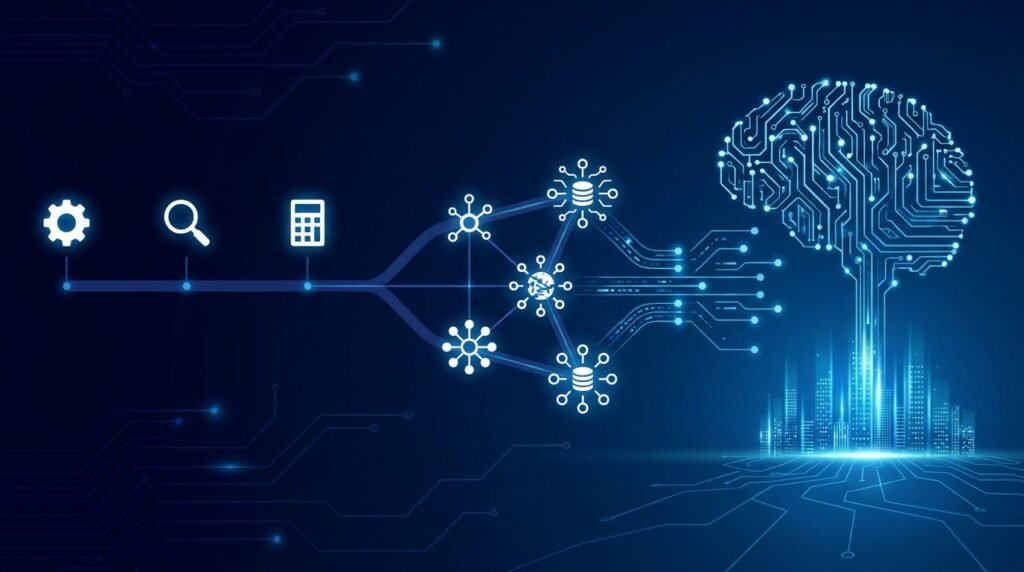
What Will Separate Winners From Noise
In the coming years, the best tools will not be the ones with the most hype. They will be the ones that solve real problems without creating more work.
The strongest future of ai agents platforms will likely share these qualities:
- Reliable actions: instead of flashy demos
- Clear permissions: instead of risky overreach
- Easy review: instead of hidden behavior
- Useful integrations: instead of isolated features
That is why practical adoption matters more than trend chasing.
How to Prepare Now
You do not need to predict the future perfectly to benefit from it. You only need to build habits that will still matter later:
- Start with one workflow and one outcome.
- Keep the human in the loop for important decisions.
- Use tools that log actions clearly.
- Document what the agent should and should not do.
- Review performance regularly instead of assuming it is always correct.
These habits will help you stay ready as the future of ai agents keeps evolving.
Frequently Asked Questions
Will AI agents replace jobs?
Some tasks will be automated, but many roles will shift toward oversight, strategy, and exception handling rather than disappearing completely.
Will agents become fully autonomous?
Some will become more independent, but most business use cases will still need human guardrails and approval steps.
What should beginners learn first?
Start with the basics of task design, workflow mapping, and safety. Then move into no-code tools or simple code-based automation.
Final Thoughts
The future of ai agents will not be defined by hype alone. It will be defined by usefulness, safety, and trust. The businesses and creators who learn these systems early will be better positioned to benefit as the technology matures.
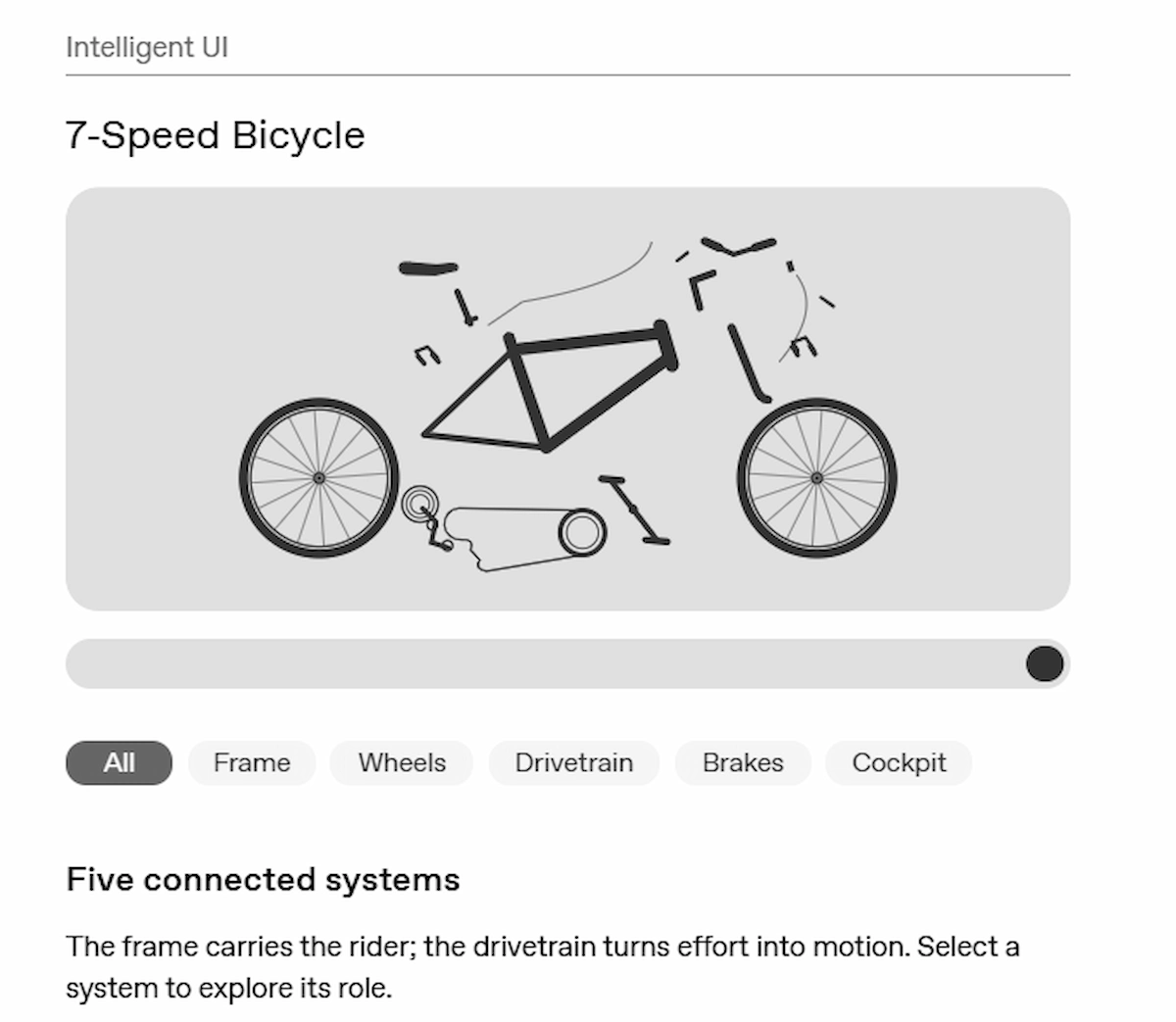
Below is an example of continuous research and development releases by OpenAI: Intelligent UI
If you want the foundation first, read the full guide on what an AI agent is, then move through the rest of this series ( 1 to 10) in order.
Related reading: Best AI Agent Tools and AI Agent Risks.